
Cultural insights into casino experiences across different regions
Historical Context of Gambling
The origins of gambling date back thousands of years, with ancient civilizations utilizing games of chance as a form of entertainment and social bonding. In societies like China and Rome, gambling was deeply embedded in the culture, often linked to various rituals and festivities. As civilizations evolved, so did gambling practices, each region developing its own unique forms and rules, reflecting local customs and beliefs. For example, the use of dice in ancient Mesopotamia not only served as a method of entertainment but was also believed to be influenced by divine forces. Additionally, the appeal of the ice fishing game pakistan demonstrates how modern adaptations continue to resonate with enthusiasts today.

In Europe, the establishment of casinos in the 17th century marked a significant turning point in gambling history. Countries like Italy and France introduced formal gaming houses, combining luxury and chance. These establishments were not merely places to gamble; they became social hubs where the elite gathered, further embedding gambling into European culture. The allure of casinos during this era was as much about the ambiance as it was about the games themselves, offering a glimpse into the lavish lifestyles of the time.
Today, the gambling landscape is diverse, shaped by centuries of social evolution and legal frameworks. Different regions have embraced gambling in varying capacities, leading to a complex tapestry of gaming experiences worldwide. While some cultures view gambling as a harmless pastime, others perceive it as a vice that can lead to moral decay. This dichotomy often influences how casinos operate within different societies, reflecting broader societal attitudes towards risk and reward.
Regional Variations in Casino Design and Atmosphere
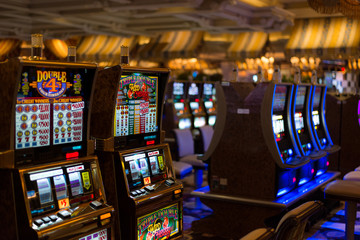
Casino design can greatly influence the overall experience, and this varies significantly across different cultures. In Las Vegas, for instance, casinos are grandiose, characterized by elaborate themes, stunning architecture, and an atmosphere designed to keep players engaged for hours. The use of bright lights and captivating sounds creates an exhilarating environment, encouraging a sense of euphoria. This unique approach is aimed at making the casino experience feel more like a fantastic adventure than merely a gambling opportunity.
Contrastingly, in many Asian countries, casinos often incorporate elements of traditional architecture and cultural symbols. In places like Macau, the casinos are built to reflect local heritage, blending opulence with cultural significance. Visitors experience not only the thrill of gaming but also a connection to the region’s history and traditions. This fusion of culture and gambling creates a unique atmosphere where players feel a sense of belonging and a deeper appreciation for the locale.
Additionally, European casinos often emphasize sophistication and elegance, with a more understated design compared to their American counterparts. Many European establishments boast rich histories and classic decor, enhancing the gaming experience by immersing players in a sense of tradition. This environment may promote a more restrained approach to gambling, where social interaction and leisurely play are prioritized over high-stakes betting and frenetic excitement.
Gambling Practices and Popular Games by Region
Different regions showcase distinct gambling practices, influenced by local customs and cultural values. In the United States, the popularity of slot machines reigns supreme, often eclipsing traditional table games. This preference for electronic gaming aligns with the fast-paced lifestyle of many Americans, seeking instant gratification and quick wins. The social aspect of gambling in the U.S. is also notable, with many casinos offering bars, restaurants, and entertainment to create a comprehensive leisure experience.
In contrast, many European countries favor classic table games such as poker and roulette, often played in a more relaxed setting. This preference reflects a different cultural attitude towards gambling, where the emphasis is on strategy, skill, and social engagement rather than mere chance. In France, for example, the game of roulette is celebrated not just for its excitement but also for the communal atmosphere it fosters among players.
Asian cultures display a unique relationship with gambling, often rooted in tradition. Games like Mahjong and Pai Gow are not only popular in casinos but also played socially among family and friends. This communal gambling practice reinforces social bonds and cultural heritage, illustrating how gambling transcends mere financial stakes to become a vital aspect of social interaction. As such, regional games often carry cultural significance that enhances the overall gambling experience.
Social and Economic Impacts of Gambling
The impact of gambling on society can be both positive and negative, significantly affecting local economies and communities. In regions with established casino industries, such as Las Vegas and Macau, gambling has become a critical economic driver. Job creation, tourism, and increased tax revenues are direct benefits, allowing local governments to invest in infrastructure and community services. The success of these casino hubs highlights the potential for gambling to contribute meaningfully to regional development.
Conversely, the social ramifications of gambling can be concerning. In many cultures, gambling is associated with addiction and financial distress, which can lead to broader societal issues. Countries may face challenges in regulating gambling activities to mitigate these negative effects, often leading to heated debates on the morality and legality of casino operations. Understanding these dynamics is essential for a comprehensive view of the gambling landscape.
Moreover, responsible gambling initiatives are becoming increasingly prevalent across the globe. Many casinos are implementing measures to promote safe gambling practices, such as self-exclusion programs and educational campaigns. These initiatives aim to balance the economic benefits of gambling with a commitment to public welfare, ensuring that players can enjoy their experiences while minimizing the risks associated with excessive gambling.
Exploring Online Casino Platforms and Their Cultural Relevance
Online casinos have revolutionized the gambling industry, making it accessible to a wider audience. Players from various regions can now experience their favorite games without the need for physical travel, reflecting a shift in how culture interacts with gaming. Platforms often tailor their offerings to suit local preferences, incorporating popular games and payment methods that resonate with their target audiences. This adaptation demonstrates the cultural relevance of online casinos and their ability to engage diverse player bases.
The rise of online gaming has also opened discussions about responsible gambling in a digital context. With various platforms emphasizing the importance of playing within one’s means, the online gambling industry aims to create a safe and enjoyable environment for users. Many online casinos offer resources to help players manage their gambling habits, reinforcing a cultural shift towards accountability and awareness in gaming.
As online gambling continues to grow in popularity, it will be interesting to see how cultural attitudes evolve. Will traditional casinos maintain their allure, or will digital platforms become the primary way people engage with gambling? Ultimately, the future of gambling is likely to be defined by a blend of physical and online experiences, each reflecting the unique cultural contexts of the regions they serve.