
The Allure of Gambling: Understanding Pleasure and Reward
The world of casino games is not just about luck; it taps deeply into the human psyche. When players engage with games of chance, they often experience a rush of excitement tied to the unpredictability of outcomes. This excitement stems from the brain’s reward system, which releases dopamine – the feel-good neurotransmitter – in response to potential wins. The anticipation of hitting the jackpot or winning a hand provides an exhilarating thrill that many find irresistible. Many players even seek out the top crypto casino for an enhanced experience.
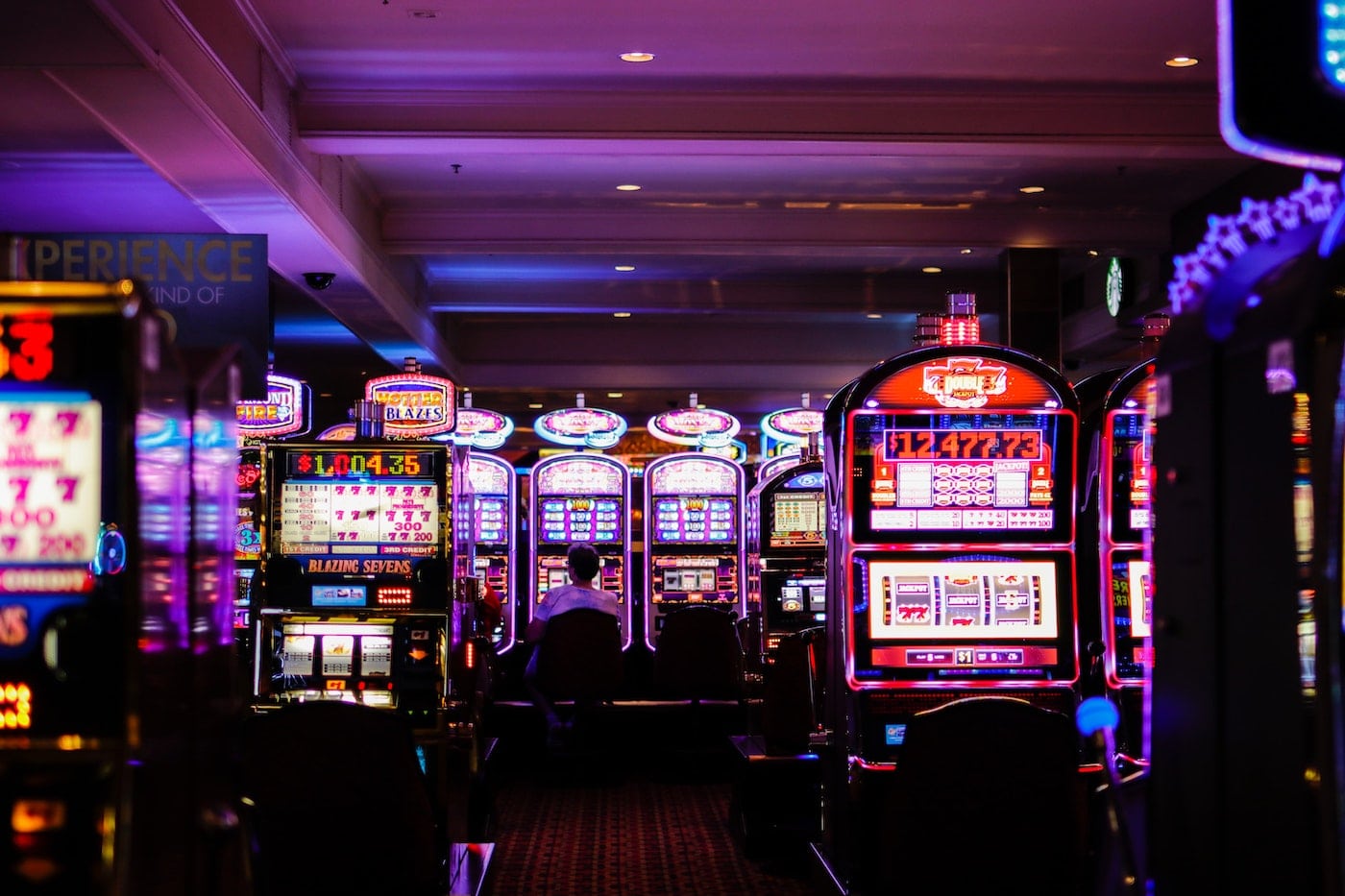
This psychological allure is exacerbated by the design of casino environments. Bright lights, captivating sounds, and enticing visuals create a sensory overload that heightens the emotional experience. Gamblers often lose track of time as they become engrossed in the atmosphere, making it easy to overlook the risks associated with gambling. This immersive experience is intentionally crafted to keep players engaged and returning for more.
Risk and Uncertainty: The Role of Cognitive Biases
Cognitive biases play a pivotal role in how individuals approach casino games. One prevalent bias is the illusion of control, where players believe they can influence outcomes even in games purely based on chance. For instance, a person may feel they can increase their likelihood of winning at a slot machine by employing specific strategies or rituals. This misconception feeds their desire to play, as they feel a sense of agency over the unpredictable.
Additionally, the gambler’s fallacy—a belief that past events influence future probabilities—can significantly impact decisions. For example, a player might believe that if a slot machine hasn’t paid out for a while, it is “due” for a win. Such cognitive biases can lead to increased gambling and financial challenges, as individuals chase perceived trends rather than understanding the reality of chance.
The Social Aspects of Casino Gaming
Casino games also provide a social context that enhances their appeal. The shared experience of gambling can foster camaraderie among players, creating an atmosphere of collective excitement. Engaging with friends or even strangers in a casino setting can amplify the thrill of the game, making the experience more enjoyable and memorable.
Moreover, social interactions at casinos can create a sense of belonging and community. Many players return not just for the games but also for the social connections they develop. This social reinforcement can lead to habitual visits to casinos, further intertwining the gaming experience with personal relationships and social activities.
The Influence of Marketing and Game Design
Casino operators utilize sophisticated marketing strategies and game designs that exploit psychological principles to maximize player engagement. Promotions, bonuses, and loyalty programs are carefully crafted to create a sense of urgency and reward. Players are often drawn in by the allure of free plays or bonuses, which can mask the inherent risks of gambling.
Additionally, the design of games themselves often incorporates elements that appeal to psychological triggers. For instance, slot machines frequently use near-misses—where players are just one symbol away from a win—to keep them engaged. These near-wins can create an emotional response that encourages continued play, despite the odds being heavily stacked against the player.
Conclusion: Understanding the Psychology Behind Casinos
Exploring the hidden psychology behind casino games reveals a complex interplay of emotions, social dynamics, and cognitive biases that drive players to engage with these games. Recognizing these elements is crucial for both players and the industry itself; while casinos aim to create enjoyable experiences, it is also essential to promote responsible gaming practices and raise awareness about the potential psychological traps involved.
As players become more informed about the psychological aspects influencing their gambling behavior, they can make better choices, leading to a healthier relationship with gaming. Understanding these dynamics is key to enjoying the thrill of casino games without falling into the traps of excessive gambling.